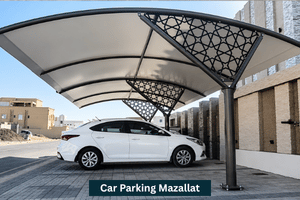
A single tensile shade structure in Kuwait can cover 1,000 square metres without a single internal column — keeping the entire space below clear, open, and usable. That is the engineering achievement that makes tensile membranes the go-to solution for Kuwait’s mosques, schools, government plazas, sports facilities, and commercial developments. In 2026, tensile shade structures have moved firmly from speciality construction into mainstream Kuwait real estate, as developers and facility managers recognise that quality membrane shading pays back through lower cooling costs, extended outdoor utility, and dramatically improved visitor experience. This guide covers every aspect of tensile shade structures specific to Kuwait’s climate, design requirements, and regulatory environment.
External Reference: Public Authority for Applied Education and Training Kuwait (PAAET) — a helpful resource for understanding Kuwait’s construction standards and certified metalwork practices.
Planning a visit? Kuwait’s official tourism site is a great place to explore everything the country has to offer.
What Is a Tensile Shade Structure?
A tensile shade structure in Kuwait is an engineering system where high-strength membrane fabric — typically PVC-coated polyester or PTFE-coated fiberglass — is pre-tensioned over a framework of steel masts and cables to create a self-supporting curved or peaked canopy. The pre-tension in the membrane gives the structure its shape and stiffness, eliminating the need for internal support columns. The result is a flowing, sculptural form that covers large areas efficiently while handling Kuwait’s wind, UV, and sand exposure.
Types of Tensile Shade Structures Used in Kuwait
Hypar (Hyperbolic Paraboloid) Tensile Structures
The most common form of tensile shade structure in Kuwait, the hypar uses opposing high and low points to create a saddle-shaped membrane with natural drainage in two directions. Hypar units can be clustered to cover any size area and are widely used over mosque courtyards, school play areas, and community plazas across all Kuwait governorates.
Conical Tensile Structures
Single or multi-peak conical tensile canopies create iconic pointed forms above large gathering spaces. A central tall mast pushes the membrane upward to a peak while perimeter cables hold the edges down and outward. Conical tensile structures appear over Kuwait shopping center entrances, hotel drop-off areas, and stadium concourses.
Barrel Vault Tensile Structures
Arching barrel vault tensile membranes span between end frames to create a tunnel-like covered space, commonly used over Kuwait pedestrian walkways, parking zone entrance areas, and industrial site access routes where long linear coverage is required without internal posts.
Free-form Custom Tensile Canopies
Modern computational design tools allow completely custom tensile shade forms engineered specifically for unique Kuwait project requirements. Free-form tensile structures create distinctive architectural landmarks for government buildings, airports, and landmark commercial developments.
Step-by-Step: Tensile Shade Structure Installation in Kuwait
Step 1 — Structural Engineering & Form Finding
Tensile structures require specialist form-finding software to determine the membrane geometry under pre-tension. Our engineers produce structural calculations, wind load analysis, and material specifications compliant with Kuwait’s building code requirements before any design is finalized.
Step 2 — Membrane Pattern Cutting
The approved membrane geometry is converted into flat cutting patterns using computerized patterning software. PVC or PTFE panels are heat-welded or RF-welded together into the final membrane shape before delivery to site. Precision patterning ensures the installed membrane achieves the correct pre-tension and form.
Step 3 — Foundation Construction
Steel mast base plates are embedded in reinforced concrete foundations engineered to resist the substantial uplift and lateral loads generated by a tensioned membrane in Kuwait’s wind conditions. Foundation depths vary from 1.5 to 3.5 metres depending on soil bearing capacity and structure height.
Step 4 — Mast & Cable Erection
Hot-dip galvanized steel masts are craned into position and temporarily braced. Stainless-steel cables are rigged between mast heads and perimeter anchor points. Cable tensions are initially set below final design values to allow membrane installation.
Step 5 — Membrane Installation & Tensioning
The pre-fabricated membrane is unfolded, lifted, and connected to cable fittings and edge profiles. Final cable tensions are applied in sequence to bring the tensile shade structure to its design geometry. A pre-tensioned membrane should be drum-tight with no wrinkles or flutter.
Step 6 — Inspection & Certification
The completed tensile structure is inspected by our structural engineer. Cable tensions are verified, connection fittings are checked, and drainage paths are confirmed. A structural completion certificate is issued for Kuwait Municipality records, and a full maintenance schedule is handed to the client.
Tips for Commissioning a Tensile Shade Structure in Kuwait
- Specify PTFE for permanent structures: PTFE-coated fiberglass membrane lasts 25+ years in Kuwait’s UV environment. PVC membranes are less expensive but typically need replacement after 15 years. For landmark projects, PTFE is the long-term value choice.
- Engineer for Kuwait’s wind, not just sun: Tensile structures in Kuwait’s exposed coastal and desert areas must resist uplift forces from shamal winds. Cutting corners on wind load design produces dangerous structures.
- Plan drainage carefully: Kuwait’s infrequent but intense winter rainstorms can load a tensile membrane with significant water weight if drainage paths are inadequate. Form design should ensure rapid drainage in all precipitation events.
- Include perimeter lighting: Tensile structures create dramatic night-time lighting opportunities. LED uplighting at mast bases transforms a daytime shade structure into an architectural feature visible from a distance after dark.
- Budget for membrane replacement: Even the best membranes have a finite life. Plan a replacement budget into your 15–20 year facility maintenance schedule from day one.
Why Choose Haddad Muzallat Kuwait for Tensile Shade Structures
Haddad Muzallat Kuwait combines 20 years of Kuwait shade expertise with specialist tensile structure engineering capability. Our teams have completed tensile shade structure projects for schools, mosques, government facilities, and commercial developments across every governorate in Kuwait. We manage the entire project — from structural engineering and pattern cutting through to installation, certification, and long-term maintenance support.
Why Trust Us
| Factor | Haddad Muzallat Kuwait |
|---|---|
| Years in Business | 20 Years |
| Projects Completed | Above 500 Projects |
| Service Areas | All over Kuwait — all cities and towns |
| Structural Certification | Kuwait Municipality Approved |
Competitor Comparison: Tensile Shade Structures Kuwait
| Feature | Haddad Muzallat Kuwait | Typical Competitors |
|---|---|---|
| In-house Engineering | ✔ Yes | Outsourced |
| Membrane Quality | PVC & PTFE Options | PVC only |
| Wind Load Engineering | ✔ Full Kuwait Standards | Generic calculations |
| Project Size Capability | Up to 5,000 m²+ | Limited to small areas |
| Maintenance Support | ✔ Long-term Contracts | None after installation |
Quick Answer: What Is a Tensile Shade Structure in Kuwait?
A tensile shade structure in Kuwait is a column-free membrane canopy where a pre-tensioned PVC or PTFE fabric membrane is stretched over steel masts and cables to cover large outdoor areas without internal obstructions. Tensile structures are used for mosques, schools, plazas, and commercial zones throughout Kuwait. They combine architectural elegance with proven performance in Kuwait’s extreme climate.
Frequently Asked Questions About Tensile Shade Structures in Kuwait
Q1: How long do tensile shade structures last in Kuwait?
PVC tensile membranes in Kuwait typically last 12–18 years before replacement is needed. PTFE fiberglass membranes last 25–35 years. Steel frames and cable systems, properly galvanized, outlast multiple membrane replacements. Total system lifespan with membrane replacement exceeds 40 years, making tensile structures a sound long-term investment for Kuwait facility owners.
Q2: Can tensile shade structures withstand Kuwait’s sandstorms?
Yes, when properly designed. Pre-tensioned membranes with correct cable-to-mast geometry have no flapping surfaces for wind to catch. Membranes engineered to Kuwait’s wind codes handle shamal events reliably. Post-storm inspections are recommended to verify cable tensions remain within design limits, particularly after major wind events exceeding 100 km/h.
Q3: What is the cost of a tensile shade structure in Kuwait?
Tensile shade structures in Kuwait range from approximately KD 80–200 per m² depending on membrane type, mast height, structural complexity, and foundation requirements. A 500 m² school courtyard tensile canopy typically costs KD 40,000–80,000 fully installed. Contact Haddad Muzallat Kuwait for an accurate project-specific quotation and structural proposal.
Q4: Do tensile shade structures require Kuwait Municipality approval?
Yes. Tensile shade structures are classified as permanent structures in Kuwait and require Kuwait Municipality building permit approval. Structural drawings, wind load calculations, and foundation design must be submitted. Haddad Muzallat Kuwait manages the full permit application process on behalf of clients, ensuring compliance with all applicable Kuwait building regulations.
Q5: What maintenance do tensile shade structures need in Kuwait?
Annual maintenance for Kuwait tensile structures includes cable tension verification, connection fitting inspection, membrane surface cleaning with mild detergent, drainage path clearing, and galvanizing touch-up on any abraded steel surfaces. Haddad Muzallat Kuwait offers annual maintenance contracts covering all these activities for tensile structures we have installed across Kuwait.
Internal Resources
External Reference
For membrane fabric engineering standards and tensile structure design guidelines, the TensiNet Association is the leading European authority on tensile architecture and structural membrane engineering.